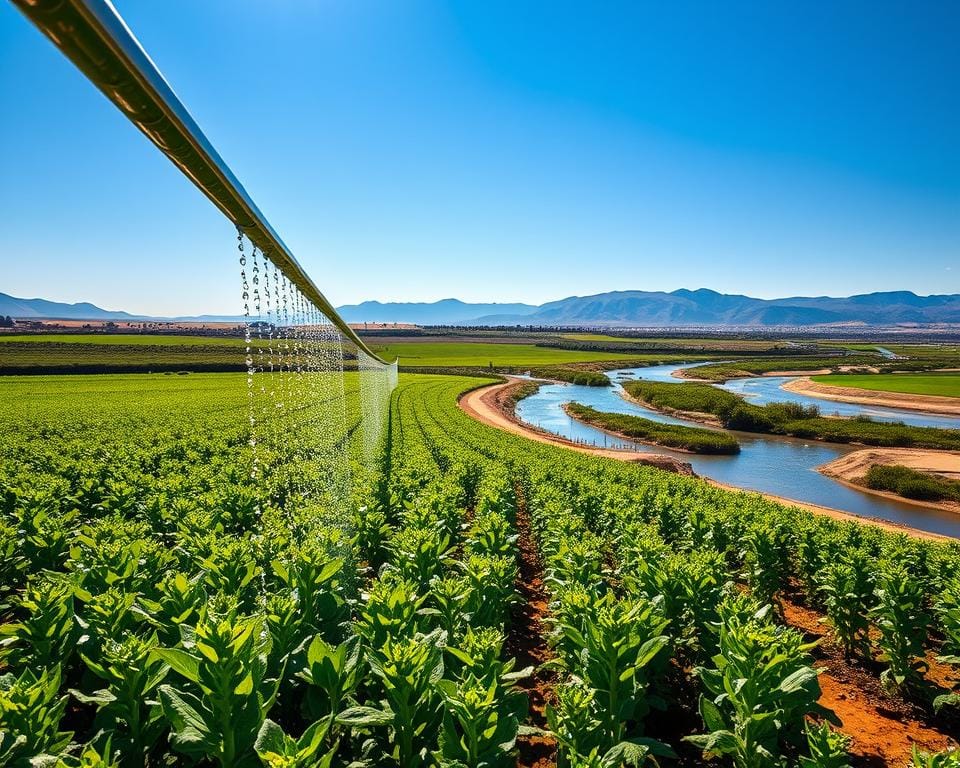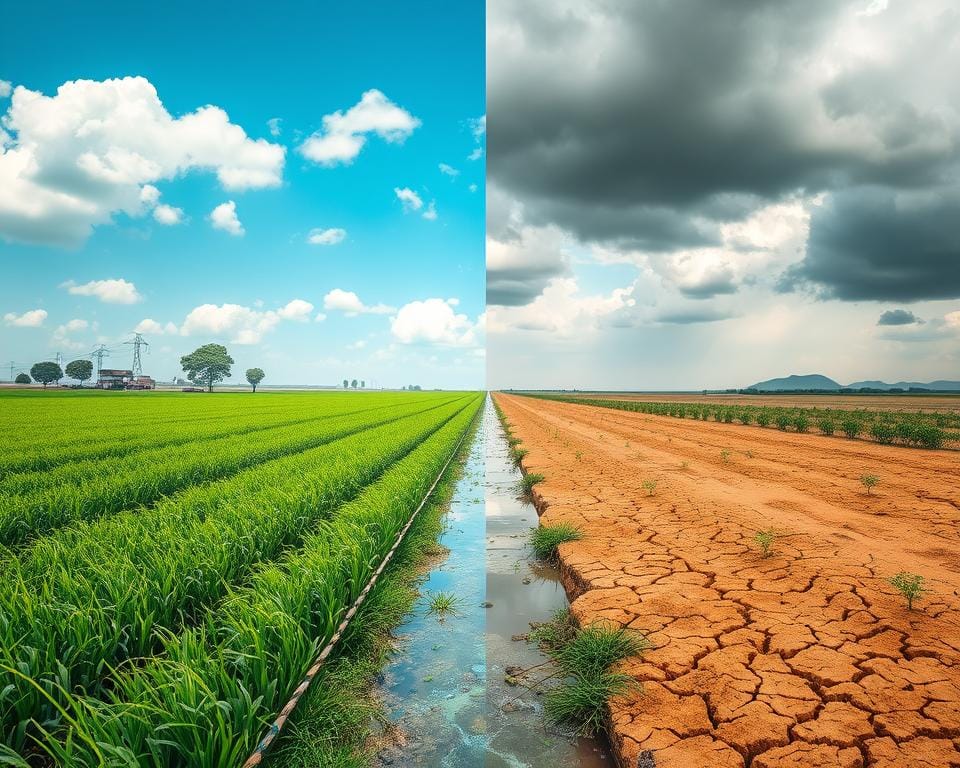
Solutions to Reduce Agricultural Water Runoff
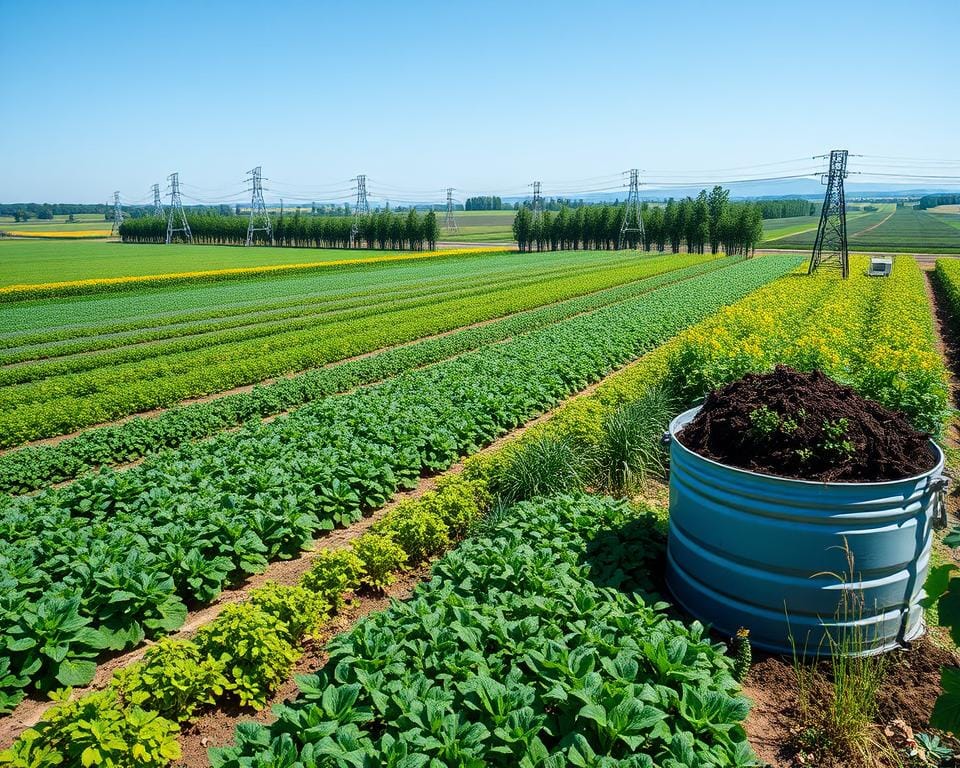
Agricultural water runoff is a big problem we can't ignore. It affects the quality of water in rivers, lakes, and wetlands. It also hits the economy hard. The United States spends over $4.8 billion each year just to remove nitrates from drinking water. So, it's clear we need sustainable farming and …
Read more

What Are Waterborne Pathogens? Understanding the Risks

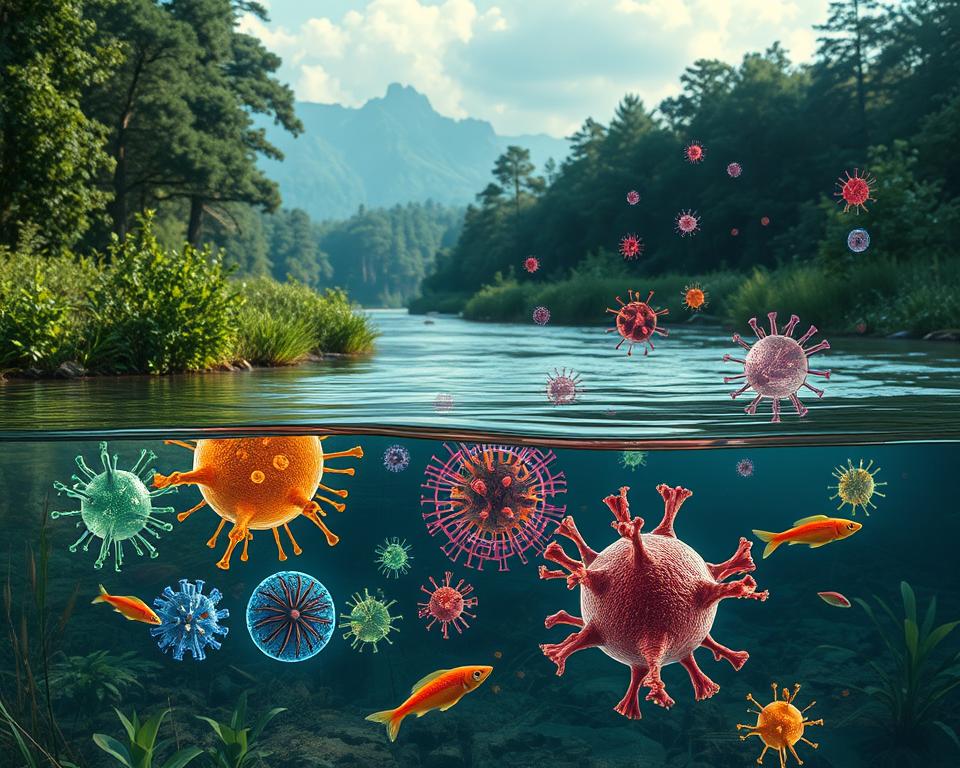
Waterborne pathogens pose a big health risk, as noted by the Centers for Disease Control and Prevention (CDC). They lead to waterborne diseases from harmful bacteria, viruses, or parasites. Every year, they affect over 7 million people in the U.S., bringing about serious health threats and economic …

Read more

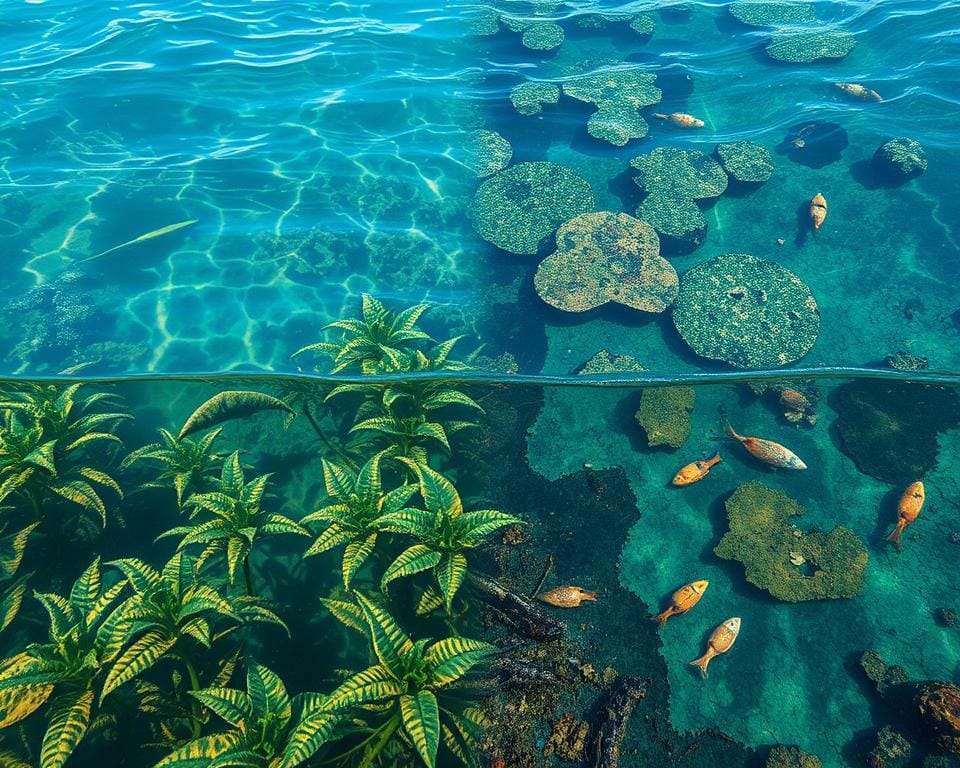
How Industries Contribute to Water Pollution

When we talk about industrial pollution, it's hard to overlook the damage to our environment and water. Pollutants like organic carbon, nitrogen, and heavy metals are released into our waters. This harms numerous ecosystems and natural resources worldwide. Despite efforts, most of Europe's waters …

Read more

Water Safety Tips for Travelers: What to Know

When you plan a beach trip, knowing about ocean safety is key. The ocean homes different plants, animals, tides, and water cleanliness. Learning about these before going can make your trip safer. Look around when you get there. Check for rocks, seaweed, dangerous currents, and sea creatures. …

Read more

Top 5 Most Water-Intensive Crops to Know About

Some crops need a lot of water to grow. Knowing which ones are crucial, especially where water is scarce. This high water use impacts water availability and can worsen water crises. It's essential to use water thoughtfully and farm sustainably. Crops like almonds need a lot more water than others. …

Read more

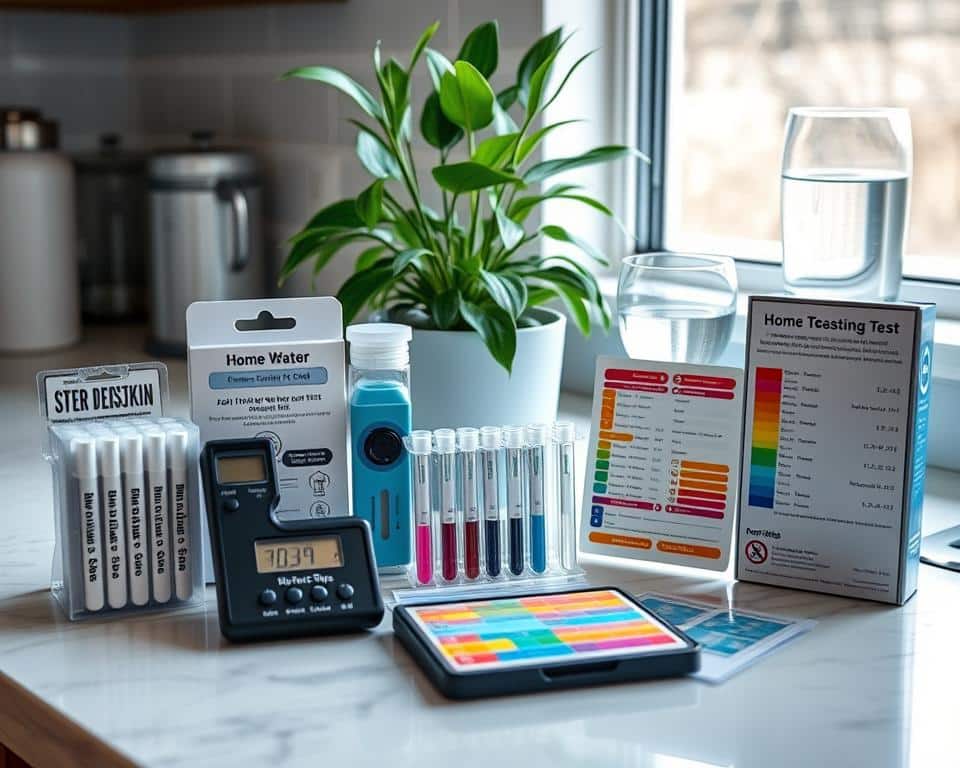
Top 5 Water Testing Kits for Safe Drinking Water

Choosing the right water testing kit is vital for ensuring drinking water safety. Lab-certified tests can reveal contaminants in water sources, such as wells and city water. It's important to pick kits that look for the needed substances. This is especially true for houses with old pipes or near …

Read more

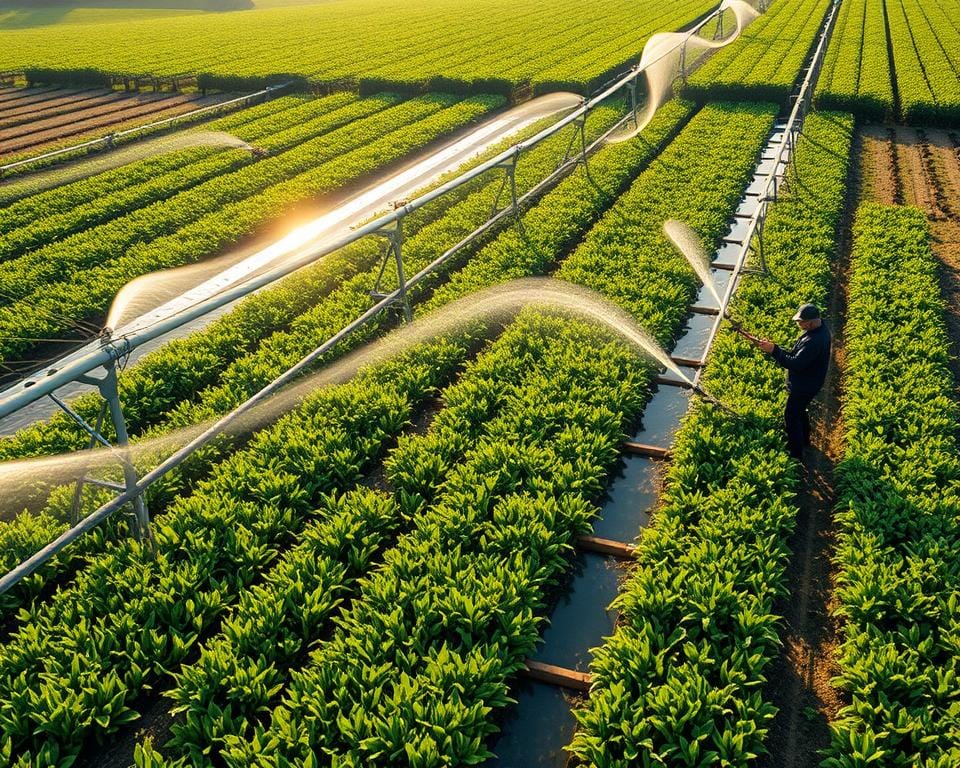
How to Increase Irrigation Water Efficiency

Agriculture uses over 70% of the world's fresh water. It's key to use sustainable farming to support our growing global population. Improving how we use water for irrigation helps save water and keeps farming economically viable. Farmers should use cost-effective, modern tools like precision …

Read more

The Dangers of Lead in Drinking Water Explained

Lead in drinking water is a hidden danger. It can enter our water from old pipes and poor water treatment. This problem is most common in places with old buildings. Efforts to get rid of lead pipes have helped. Yet, many people still face risks. The EPA warns there's no safe level of lead. Kids …

Read more

How to Detect Signs of Water Contamination

Being aware of water contamination risks is key for our health. We use various water sources every day. Spotting contamination signs in tap, bottled, and well water is crucial to prevent health problems. For instance, a fishy taste or a rotten egg smell suggests pollution. Seeing cloudy, discolored, …

Read more

Water Use in Agriculture: Key Facts and Figures

Agriculture uses almost 70 percent of the world’s freshwater. To feed one person every day takes 3,000 liters of water. This is much more than the two liters we drink. The need for food will make agriculture production go up 70 percent by 2050. This will put more pressure on our water resources. …

Read more