
Did you know even a 2% drop in body water can cut strength and focus by noticeable amounts? That small change can mean harder workouts, cloudy thinking, and more headaches during an average day.
I write about this as a daily habit, not a one-off fix. I track my water with a marked bottle and short reminders so steady sipping becomes automatic.
Thirst often arrives late, so I do not wait. I use urine color and steady portions as quick checks. This keeps my fluid balance steady without overthinking.
I also watch for the other extreme: drinking so much that sodium drops and I feel nausea or a headache. Balance matters, and small, consistent steps win.
Key Takeaways
- Even mild dehydration hurts performance and mood.
- Use marked bottles and reminders for steady water intake.
- Check urine color; aim for pale yellow as a quick cue.
- Plan drinks around activity, heat, and travel days.
- Avoid extremes—both low fluid and overdrinking have risks.
Hydration mistakes to avoid: what I watch for right now
I’ve learned that waiting until thirst arrives usually means I’m already behind for the day. Experts note that thirst often appears after a fluid deficit has started, so I aim for steady water intake instead of reacting late.
Why waiting for thirst sets me back
When I wait, early dehydration symptoms show up: tiredness, a dull headache, dry mouth, and scattered focus. Those signs remind me to sip before performance dips.
How I use urine color as my quick check
I check my urine color each morning and after long work blocks. Pale yellow tells me my intake is on track; darker shades sign that I need more fluid.
- I schedule small sips and anchor drinking water to meals and breaks.
- Phone prompts and a cup within reach help keep me steady rather than swinging between dry spells and frantic chugging.
- I match drinks to the day—lighter choices when I need steady fluid, electrolytes when sweat is heavy.
The real-world effects of dehydration on energy, focus, and performance
A modest loss of body water often shows first as dull focus and low energy. Mild dehydration impairs decision-making, slows reaction time, and makes routine tasks feel heavier. I watch for those early signs so I can act before performance slips.
Everyday symptoms I don’t ignore: headaches, fatigue, brain fog
Headaches, fatigue, and irritability are my red flags. When those symptoms show up, I scan my intake for the day and add measured water and an electrolyte-rich snack if needed.
Even short mental blocks tell me that fluid levels are off. I treat steady drinking as a simple way to protect energy and mental clarity.
Workout and heat impacts: cramps, slower recovery, reduced endurance
During activity, losses hit fast. Muscle endurance drops, cramps appear earlier, and recovery stretches out.
- I pre-hydrate with 17–20 ounces about two hours before exercise.
- During work I sip 7–10 ounces every 10–20 minutes when I sweat hard.
- Afterward I replace fluid based on sweat loss—roughly ≥20 ounces per pound lost.
Heat and humidity speed fluid loss and raise risk of heat illness, so I raise my intake on hot days and watch performance as my best cue.
Mistake: Relying solely on thirst to guide my intake
I stopped waiting for a dry mouth and started sipping on a schedule every day. Thirst often lags behind actual fluid needs, so small, steady sips keep me steady through long work blocks.
My “sip schedule” throughout the day
I build a sip plan for each day block—morning, mid-morning, lunch, and mid-afternoon—so I never rely only on thirst. I aim for a few ounces every 60–90 minutes rather than chugging at night.
Phone reminders, marked bottle, and app tracking
I set phone nudges on a 60–90 minute cycle and carry a marked water bottle that shows progress at a glance. Pre-filling two bottles removes refill friction during busy time spans.
- I pair sips with tasks (emails, meetings) to make intake automatic.
- Small sips spaced by minutes absorb better and spare sleep from late chugs.
- I log weekly totals in an app and review patterns; this turns guesswork into a reliable system.
For more on common hydration pitfalls, see common hydration pitfalls.
Mistake: Skipping pre-, during-, and post-activity hydration
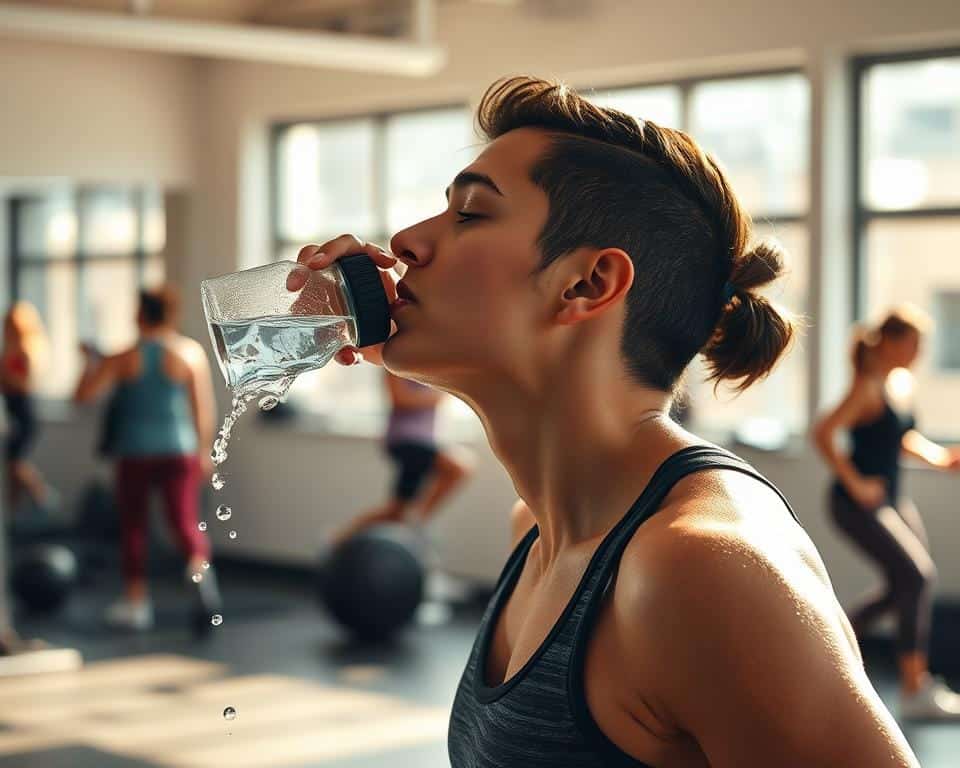
A small routine before activity saves me from late cramps and sluggish performance.
Before exercise
I start each session primed with 16–20 ounces about 1–2 hours before. This gives my muscle cells and focus a reliable head start. I prefer plain water or a light, salted snack if the day is hot.
During exercise
During work I sip 7–10 ounces every 10–20 minutes. For long sessions or heavy sweat, I switch to an electrolyte option after roughly 30–60 minutes. Small, steady amounts protect performance without sloshing.
After exercise
Post-workout I aim to replace fluids based on loss. I weigh before and after tough efforts and drink about 16–24 ounces per pound lost—at least 20 ounces as a rule. This cuts cramps and speeds recovery.
- I carry water and plan quick refills so I don’t skip mid-set.
- I watch salty sweat and towel weight as clues that sodium and fluids need replacing.
- Keeping this simple helps me repeat the plan on busy training weeks.
| Phase | Timing | Typical amount | Key cue |
|---|---|---|---|
| Pre | 1–2 hours before | 16–20 ounces | Ready muscles and steady focus |
| During | Every 10–20 minutes | 7–10 ounces | Switch to electrolyte after 30–60 minutes if sweat is heavy |
| Post | Immediately after | 16–24 ounces per pound lost | Weigh changes and replace loss |
Mistake: Overdoing caffeinated and sugary drinks
A latte or energy drink can perk me up fast — and then leave me dragging an hour later. Sugary and highly caffeinated choices can pull water into the bloodstream and speed urine output. That ups my risk of dehydration and a crash in energy.
Hidden sources that derail steady fluid balance
I scan the day for sneaky items: sodas, sweetened coffees, energy bottles, and many fruit drinks. These often carry added sugar that worsens long-term health and triggers sudden fatigue.
My swap-ins: water first, herbal teas, and light infusions
I lead with water and keep cold bottles handy. If I want flavor, I pick herbal tea or a diluted fruit infusion. When I choose a caffeinated cup, I stay under 400 mg daily and pair it with an equal amount of water.
- I log all drinks so I see patterns in my intake.
- I save sweet choices for treats, not the default fuel.
- On hot or heavy training days I favor low-sugar options to support my body.
| Drink | Effect on fluid | Caffeine (typical) | Swap suggestion |
|---|---|---|---|
| Soda / Energy drink | Can draw water and spike sugar | 50–200 mg | Diluted iced tea or plain water |
| Specialty coffee | May increase urine output | 80–150 mg | Smaller cup + water |
| Herbal tea / Infusion | Supports steady fluid | 0 mg | Use fresh fruit slices for flavor |
Mistake: Piling on electrolytes when I don’t need them
Not every sweaty session needs a pack of electrolyte powder. I reserve concentrated mixes for long, intense efforts, heavy sweat, or hot days when losses are large.
Many days I meet my needs with food. I get sodium from broths and meals. I grab potassium from bananas, beans, and avocado. Magnesium comes from nuts and seeds.
I pair plain water with smart snacks rather than defaulting to drinks that often carry added sugar. When I do use an electrolyte product, I pick lower-sugar options and check labels for clear sodium and potassium amounts.
When an electrolyte boost helps
- Long endurance sessions or races.
- Very hot or humid conditions with heavy sweat.
- Multiple training blocks without full recovery.
| Situation | Food-first source | Electrolyte product use |
|---|---|---|
| Light activity, daily life | Fruits, yogurt, salted meals | Not needed |
| Long training or heavy sweat | Broth, bananas, beans, nuts | Use low-sugar electrolyte drink |
| Hot multi-hour events | Meal planning + salty snacks | Targeted blends with clear sodium |
I check my hat or kit for salt residue as a simple cue that sodium replacement should rise. I treat electrolytes as a tool, not a daily default, and I scale use with season and sweat rate.
Mistake: Ignoring water-rich foods that count toward fluids
Around one-fifth of the water I need each day comes from what I eat, not just what I drink. I treat food as part of my plan and pick items that quietly raise my intake.
Fruits, veggies, soups, and smoothies I use to boost intake
I rely on high-water choices like cucumbers, lettuce, zucchini, strawberries, watermelon, and oranges. These give fluids, fiber, and vitamins with almost no effort.
- I keep cut fruit ready in the fridge so better choices win by default.
- Soups, smoothies, and yogurt add meaningful water while feeding my body.
- I snack on berries or an orange when I’m close to hitting my target.
- Broth-based soups help gently raise fluids when I feel off or sick.
| Food | Approx. water% | Benefit |
|---|---|---|
| Cucumber | 95% | Low calorie, easy snack |
| Watermelon | 92% | Quick fluid boost |
| Orange | 88% | Vitamins + easy sip |
I still prioritize water, but these food options lift my hydration without extra thinking.
Mistake: Not adjusting intake for weather, heat, or altitude
Weather and altitude change my daily fluid plan more than I first realized. Hot, humid days speed sweat and cut evaporative cooling. That raises my water and electrolyte needs fast.
Cold air blunts thirst while breathing loses fluids through dry air. I keep my regular sip rhythm even when I don’t feel thirsty. At higher elevation I nudge my plan up because heavier breathing raises loss.
How I change my plan for conditions
- I boost water and fluids on hot, humid days and add electrolytes for long exposure.
- I drink before outdoor activity and pack extra for the return trip.
- I wear breathable layers and take shade breaks to cut extreme needs.
- I pick lukewarm water in cold weather so I sip steadily.
- I watch for dizziness, fatigue, or irritability and pause to rehydrate.
| Condition | What changes | Quick fix |
|---|---|---|
| Hot & humid | Faster sweat, higher electrolyte loss | Increase water, add light electrolyte drink |
| Cold, dry | Less thirst, steady respiratory loss | Keep sip schedule, choose slightly warm water |
| High altitude | More breathing, subtle fluid loss | Bump intake, monitor energy levels |
Mistake: Treating “eight glasses” like a one-size-fits-all rule
The old "eight glasses" line is an easy sound bite, but it rarely fits my real life. I use it as a starting point, not a fixed target.
Personalizing ounces to my body size, day, and activity
I watch general guidance from the Institute of Medicine: about 2.7 L for women and 3.7 L for men. That gives context, but my needs change by work, weather, and training.
I start with a simple rule of thumb—about half my body weight in ounces—and tweak it when activity or heat rises. Urine color is my quick check; pale yellow tells me my intake is on track. Darker shades mean I raise my drinking water that day.
- I don’t follow eight glasses blindly; I personalize the amount based on my body and my plans.
- I shift targets when training volume or temperature climbs, and I drop a bit on rest days.
- I consider meds, illness, and caffeine that nudge my needs higher and distribute water across the day.
- I treat guidelines as a starting line and let color checks refine the plan so I avoid dehydration without overtracking.
Mistake: Overhydration that dilutes essential electrolytes
I’ve learned that more water isn’t always better. Drinking large volumes quickly can lower blood sodium and cause hyponatremia, a dangerous drop in electrolyte levels.
Early symptoms I watch for are very clear urine, headache, nausea, or confusion. If those appear I slow my pace and add a salty snack or an electrolyte option rather than more plain water.
Signs I’m overdoing it
Very clear urine often signals dilution, not perfect balance. I aim for pale yellow, not crystal clear. Headache, nausea, or mental fuzziness are red flags that my sodium has fallen too low.
Finding my balance: sipping pace and electrolyte awareness
I sip steadily instead of chugging. During long, sweaty sessions I add electrolytes with clear sodium numbers so I replace what sweat removed.
- I watch for symptoms—clear urine, headache, nausea—and slow down when they show up.
- I aim for pale yellow as my target color for steady levels.
- I add electrolytes during prolonged sweat and choose products that list sodium content.
- I replace fluids based on measured sweat loss, not just volume on hand.
| Risk | What I do | Why it helps |
|---|---|---|
| Over-drinking plain water | Sip slowly, pause if urine is very clear | Prevents blood sodium dilution |
| Heavy sweat sessions | Use low-sugar electrolyte with known sodium | Restores sodium and fluid levels |
| Post-event refills | Replace based on weight lost and symptoms | Matches replacement to real losses |
If you want context on daily fluid planning, I link a guide on bottle targets like how many water bottles a day that I check when I tweak my routine.
Water vs. sports drinks: how I choose the right option
Choosing the right drink is usually simple: for daily life and workouts under about 60 minutes I use plain water. It keeps calories and sugars out of my plan while meeting basic needs.
Everyday hydration and moderate workouts: why water wins
Water rehydrates efficiently during most activities and steady tasks. I sip regularly and pair drinking water with meals and breaks so intake stays consistent.
Endurance, heat, heavy sweat: when I reach for electrolyte drinks
For long sessions, high intensity, or hot conditions I switch to sports drinks that list sodium and potassium. Those electrolytes support muscle function and fluid balance when sweat loss is large.
- I aim for about 7–10 ounces every 10–20 minutes during long efforts.
- After big efforts I replace roughly 20 ounces per pound of body weight lost.
- I limit caffeine during hot sessions so it does not increase urine output.
- When unsure, I carry both options and let time, heat, and sweat guide me.
- Post-session, fruit or a small cup of broth gives a gentle potassium and sodium nudge.
| Situation | Best option | Why |
|---|---|---|
| Daily life / | Water | No added sugar; supports steady drinking water intake |
| Long effort / heavy sweat / heat | Sports drink with electrolytes | Replaces sodium and potassium to protect performance |
| Post heavy loss | Water + electrolyte or broth/fruit | Restores fluid and key minerals; simple, repeatable amount |
My simple daily hydration routine that works
I keep a short, repeatable routine that carries me from wake-up through wind-down. It starts with a big morning glass and uses small time anchors so I sip steadily instead of guessing.
Wake-up to wind-down: ounces and timing throughout the day
I begin each morning with 12–16 ounces to reverse overnight loss and lift my energy. I pace sips through the day and set phone nudges every 60–90 minutes so I don’t fall behind.
I keep a marked bottle on my desk and aim for clear targets by mid-morning, mid-afternoon, and dinner. I taper my drinking before bed so sleep isn’t disrupted.
Travel, illness, and meds: moments I increase fluids
On flights I carry a second bottle and drink more because cabin air is dry. When I’m sick I use broths or an ORS to replace fluids and electrolytes gently.
If a clinician prescribes diuretics or laxatives, I ask about bumping my intake. Fatigue is a quick cue—if energy dips, I sip sooner rather than later.
- Start: 12–16 ounces on waking.
- Pace sips with meals and short breaks throughout day.
- Set anchors minutes before calls or workouts; taper before bed.
- Carry a second bottle while traveling; use ORS/broth when ill.
- Track ounces in an app and adjust weekly without stress.
| Moment | Typical ounces | Quick cue |
|---|---|---|
| Wake-up | 12–16 | Lift energy; reverse overnight loss |
| Work blocks | 6–8 every 60–90 minutes | Marked bottle progress |
| Travel / Illness | Extra 8–16 as needed | Dry air or vomiting/diarrhea |
For practical bottle targets I check a short guide on bottle targets when I tweak my plan.
Conclusion
My final note: small, steady actions beat big, sporadic fixes. I sum seven common mistakes and the simple way I fix each with habits I use daily.
I personalize my plan to my needs and watch easy cues: urine color, timing, and symptoms. I use pre, during, and post activity routines so training and recovery stay strong.
Most people do best with plain water first. I limit caffeine and sugary drinks and add electrolytes only when sweat or conditions demand it.
I keep a bottle handy and track lightly. Focus on progress over perfection; small steps every day change how you feel.
For related reading on myths that shape how people think about water, see top water myths.
FAQ
Why does waiting until I feel thirsty often set me back?
I wait too long when I rely on thirst because it’s a late signal. By the time I’m thirsty, my body has already lost fluids and sodium, which can lower energy, slow thinking, and reduce performance. I sip earlier and more often to stay steady throughout the day.
How do I use urine color as a quick check?
I aim for pale yellow. Dark yellow usually means I need more fluids; very clear urine can be a clue I’m drinking excessively and may need more electrolytes. It’s a fast, easy gauge I check after bathroom breaks.
What everyday symptoms tell me I’m behind on fluids?
Headaches, fatigue, brain fog, and dry mouth are my biggest red flags. When I notice them, I top up fluids and include a salty snack or a small electrolyte drink if needed to get my energy and focus back.
How does being active or in heat change my needs?
When I exercise or spend time in heat I sweat more, which can cause cramps, slower recovery, and reduced endurance. I increase fluids before, sip during, and replace losses after with water and electrolytes depending on sweat loss and duration.
Why isn’t relying only on thirst a good plan for daily intake?
Thirst is unreliable, especially with age, caffeine use, or when busy. I use a “sip schedule” — small, regular drinks from morning to night — rather than chugging late when I’m already depleted.
What tools help me keep a steady sip schedule?
I use phone reminders, a marked water bottle, and occasional app tracking. Those prompts stop me from forgetting during work or travel and keep my pace consistent without overdrinking.
How much should I drink before exercise?
I try for about 16–20 ounces in the two hours before activity to start well hydrated. If I’m short on time, I’ll sip 8–10 ounces 20–30 minutes beforehand to reduce thirst and improve performance.
What’s my strategy for drinking during workouts?
I take small, steady sips instead of large gulps. For sessions under an hour I stick with water; for longer or intense sweat sessions I switch to a drink with electrolytes to replace sodium and potassium.
How do I rehydrate after exercise?
I aim to replace fluids based on weight loss: roughly 16–24 ounces for every pound lost during exercise. I include sodium and a bit of carbohydrate when workouts are long to speed recovery.
How do caffeinated and sugary drinks affect my fluid balance?
Coffee, energy drinks, and sodas can sap my hydration when consumed in excess and add calories or sugar that mask true fluid needs. I prioritize water, herbal tea, or lightly flavored infusions and save sugary drinks for special cases.
What hidden sources of fluid loss should I watch for?
Alcohol, salty restaurant meals, and high-caffeine beverages increase fluid loss or change thirst cues. I compensate by drinking extra plain water and including salty snacks if I’ve had alcohol or heavy sweating.
When are electrolytes really helpful?
I use electrolyte drinks for long endurance sessions, very hot or humid conditions, or when I sweat a lot. Short workouts or normal daily activity usually don’t require them if I eat balanced meals.
Can I get electrolytes from food instead of supplements?
Yes. I reach for bananas, potatoes, yogurt, nuts, and soups for potassium, sodium, and magnesium. Real food often covers my needs without overdoing concentrated electrolyte products.
Do water-rich foods actually count toward my fluid intake?
Absolutely. Fruits, vegetables, soups, and smoothies help my total daily fluid. I include cucumber, watermelon, oranges, and broths on hot days or when I’m busy to top up without constant sipping.
How should I change my plan for hot, humid, or high-altitude conditions?
I increase both water and electrolytes in hot or humid weather and monitor sweat loss closely. At altitude I drink more often because breathing dry air speeds fluid loss. I also slow my pace and check urine color more frequently.
Is the “eight glasses a day” rule right for me?
Not exactly. I tailor ounces to my size, activity, and environment. A small person at rest needs less than someone large and active. I use body weight, exercise level, and daily sweat to personalize my goal.
How do I know if I’m drinking too much?
Very clear urine, persistent headache, nausea, or bloating are signs I might be diluting essential electrolytes. I slow my sipping pace and add modest amounts of sodium or a balanced electrolyte drink if needed.
When should I choose water over sports drinks?
For everyday hydration and moderate workouts under an hour, I choose water. I reserve sports drinks for long training sessions, heavy sweat, or endurance events where replacing electrolytes and carbs matters.
What does my daily routine look like in ounces and timing?
I start with 12–16 ounces on waking, sip steadily through the morning and afternoon (aiming for small amounts every 30–60 minutes), and have 8–12 ounces after meals. I increase amounts around exercise, travel, illness, or medication use.
When should I boost fluids because of travel, illness, or medication?
I drink more when flying, during fevers, with vomiting or diarrhea, and when taking diuretics or some cold medicines. I add salty snacks and small electrolyte drinks if losses are high or symptoms persist.