What if a sudden rise in water could be managed with clear steps you and your neighbors can follow today?
I write this guide in the first person to give a practical, step-by-step framework that helps us organize, train, and act before, during, and after a flood so we protect people, property, and essential services.
I begin by explaining what a flood is and why it can quickly turn into an emergency that disrupts utilities, roads, and drinking water. I use trusted information and local knowledge to show simple actions we can take now and larger projects we can plan over time.
This introduction highlights safety facts, like never walking, swimming, or driving through moving water, and the financial upside: every $1 invested in mitigation can save about $6 in recovery. I also link to further guidance so readers can dig deeper.
Read on for clear roles, routes, communication tips, and quick wins you can achieve in days while building long-term resilience with local officials and partners.
Key Takeaways
- I offer a clear, usable plan to protect people and services before, during, and after a flood.
- Simple safety rules matter: never enter moving water; even six inches can be dangerous.
- Mitigation pays: investing now reduces damage and speeds recovery later.
- The guide uses trusted information and local knowledge for practical decisions.
- Quick wins include contact lists, alert signups, and basic supplies you can organize fast.
- For more detailed steps, see this preparedness resource: how to prepare for water-related natural.
Why I’m Prioritizing Flood Preparedness in My Community Right Now
I’m acting now because changing weather is making water hazards more frequent and unpredictable.
Heavy rain, rapid snow from a quick thaw, coastal storms and river overflows all raise risk. Climate change is increasing the intensity and frequency of these events, so we can expect more disruptive incidents in our area.
Flooding today: climate change, snowmelt, storms, and river overflows
Many sources drive flooding: long rain events, sudden snowmelt, storm surge, and even dam or levee problems. These types of events can develop slowly or turn into flash flooding fast.
I explain this so neighbors understand why low-lying blocks and river-adjacent areas need special attention before bad weather arrives.
What flood watches and warnings mean for our response
A WATCH means flooding is possible — get ready and monitor updates. A WARNING means flooding is occurring or imminent; act now to reach higher ground.
- I remind everyone that just six inches of moving water can knock a person down, and 12 inches can carry a vehicle.
- Our simple goal: align early alerts, routes to higher ground, and clear roles so we waste no time when a warning is issued.
How I Assess Our Community’s Flood Risk and Hazard Areas
I start by matching FEMA map layers to recent rain, snowmelt, and local drainage reports to reveal true hazard zones.
Using FEMA’s Flood Map Service Center and local hydrologic data
I search the FEMA Flood Map Service Center by address to get baseline zones and official source information. I treat those maps as a starting point because maps may miss seasonal changes, new runoff, or maintenance issues.
Accounting for types of flooding
I catalog the types we face: flash floods, river flooding, storm surge, coastal inundation, debris flows, ice jams, snowmelt peaks, and rare dam or levee failures. Knowing types helps me choose mitigation and staffing priorities.
Mapping critical infrastructure and vulnerable people
I map substations, water and wastewater sites, hospitals, schools, and shelters. I then mark where children, older adults, people with mobility or medical needs, and those without vehicles live or work.
When to bring in 2D modeling and water resources professionals
I call in modelers when projects need detailed depth and velocity outputs, or when funding and tradeoffs depend on precise results. 2D modeling produces animations that clarify complex flow paths and support grant-ready applications.
| Source | What it shows | Best use |
|---|---|---|
| FEMA Flood Map Service Center | Mapped flood zones and base regulatory data | Baseline risk mapping and insurance queries |
| Local public works / state hydrology | Recent runoff patterns, culvert and underpass reports | Identify recurring street and drainage issues |
| 2D flood modeling | Depth, velocity, and animated flow over land | Investment decisions, detailed hazard maps, and public briefings |
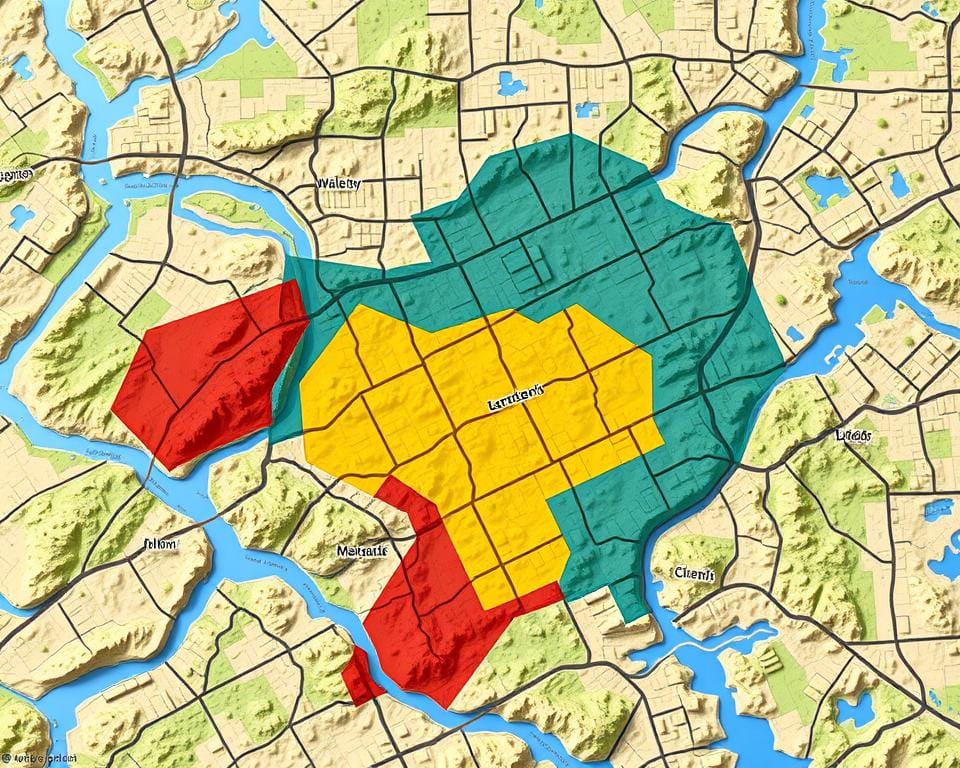
I document data sources, assumptions, and gaps so my findings support grant applications and practical management steps. For further technical guidance I reference provincial strategy and national management resources such as provincial flood strategy and a concise summary of key strategies for effective flood management.
Designing community flood preparedness plans that actually work
I organize triggers, roles, and simple checklists so teams act fast when warning levels rise. Short, clear actions reduce confusion and speed response.
Roles and coordination
I define responsibilities across emergency services, local authorities, state partners, federal liaisons, and organizations. That shared structure cuts overlap and speeds implementation.
Communications and warning
I use layered messaging: mass alerts, neighborhood leads, road signage, and pre-scripted lines that stress “Turn Around, Don’t Drown.” These reach people quickly and save lives.
Routes, shelters, and resources
- I map primary and alternate evacuation routes, note low-clearance bridges, and list accessible shelters with power and pet space.
- I keep a master list of equipment, sandbag stocks, vendor contacts, and fuel caches for surge staffing.
- I document hazard types and areas—overland flow, drainage backups, and river overflow—so crews stage correctly.
| Assessment | Includes | Lead |
|---|---|---|
| Likely areas & depth | Frequency, critical infrastructure, defense locations | Public works |
| Activation triggers | Warning thresholds, barricade, shelter open | Emergency manager |
| After-action | Lessons, route updates, contact refresh | Operations |
Funding and resources I tap for planning, mitigation, and implementation
I begin with a realistic budget that sequences planning, design, and later implementation funding. This helps me phase mitigation and show near-term wins while working toward construction and operations.
I target federal, state, and regional sources first. The Clean Energy and Community Flood Preparedness Act directs 45% of auction proceeds into a dedicated fund. Round Five offers $85 million: $50M for planning and resilience grants, $25M for long-term loans, and $10M for start-up loans. The application opened September 10 and closes January 24, 2025 at 11:59 pm.

How I align applications and match
I prepare maps, hazard summaries, benefit estimates, and maintenance plans so applications are award-ready. I use the Resilient Virginia Revolving Fund as eligible match and note five-year plan validity to reduce admin burden.
| Source | Use | Key dates & notes |
|---|---|---|
| CFPF Round Five | Planning grants, resilience projects, loans | Apply by 1/24/2025; awards announced Jan 2025; quarterly disbursements |
| State budget allocation | Gap funding for program continuity | $100M in 2024–2026 to support ongoing development |
| Revolving & loan funds | Match and long-term financing for construction | Five-year performance periods; VRA contracting |
Nature-based solutions and equity focus
I prioritize wetlands restoration and living shorelines because they cut peak flows, protect infrastructure, and store carbon. These projects also support habitat and neighborhood benefits.
I steer resources toward socially vulnerable and underserved neighborhoods. That equity focus matches CFPF priorities and helps ensure fair distribution of mitigation benefits.
From plan to action: training, drills, and community engagement
To move from documents to action, I run realistic scenarios that highlight weak links and fix them fast.
I schedule recurring tabletop exercises to walk through roles, verify contact lists, and test decision points. These low-cost sessions help spot gaps before an emergency arrives.
I also run annual full-scale drills that include barricade deployments, route signage, shelter activation, and equipment checks. Short pre-season refreshers keep staff and volunteers sharp for peak weather windows.
Exercises, reviews, and inclusive outreach
- I use after-action reviews to record what worked and what didn’t, assign owners, and set timelines to close gaps.
- I tailor outreach with translated materials, videos in English, Spanish, and ASL, and step-by-step checklists for children, older adults, people with disabilities, and pets.
- I track participation, maintain a roster of trained volunteers, and cross-train staff so we have depth for long-duration incidents.
| Exercise type | Purpose | Frequency |
|---|---|---|
| Tabletop | Verify roles, contact lists, decision points | Quarterly |
| Full-scale drill | Practice deployments, shelters, equipment | Annual |
| Pre-season refresher | Confirm staging, consumables, handoffs | Before peak season |
Staying safe during and after floods: health, power, and cleanup guidance
I focus on clear steps I follow after warnings and severe events. These steps protect health, limit damage to land and buildings, and guide safe cleanup.
Immediate safety: evacuations, power lines, and equipment hazards
I evacuate when officials tell me to and wait for their all-clear before I return. I stay away from downed power lines, poles, and wet electrical equipment.
I use flashlights instead of candles and never touch devices if I’m standing in water. I treat all affected land as hazardous until inspected.
Water and food safety, mold, ventilation, and carbon monoxide risks
I assume floodwater is contaminated with sewage, chemicals, and sharp objects. I throw out food that got wet or warmed and follow local water testing advice.
I dry structures and contents within 24–48 hours to reduce mold. If drying is delayed, I assume mold and fully dry and clean when safe. I ventilate wet areas and discard porous materials that cannot be salvaged.
I keep generators and fuel-burning devices outdoors and away from windows to prevent carbon monoxide. I install CO alarms where people shelter.
Volunteer coordination, mental health, and sustained recovery
I run cleanup as a controlled activity with partners. We use boots, long pants, work gloves, eye protection, and an N95 respirator. I pace work, match skills to tasks, and document hours for assistance claims.
I watch for stress and fatigue and share the Disaster Distress Helpline: 1-800-985-5990. For sustained response, I schedule debris removal, document damage for claims, and update my approach based on lessons learned.
| Phase | Key actions | Who leads |
|---|---|---|
| Immediate | Evacuate on warning; avoid lines; use flashlights | Emergency services |
| Short-term | Discard wet food; ventilate; dry within 24–48 hours | Household owner |
| Recovery | PPE for cleanup; document damage; schedule debris removal | Volunteer coordinator |
Conclusion
I close by stressing a simple goal: reduce risk through practical planning, training, and targeted investment so people stay safe and life returns to normal faster after a flood or severe weather event.
Investing in mitigation pays off — roughly a six-to-one return compared with recovery costs — and updated resilience approaches remain useful for about five years, matching local development and funding cycles.
Strong planning links analysis to project development, permitting, and delivery so we see visible infrastructure improvements where they matter most.
I will keep capturing lessons, updating hazard maps, and tracking funding. My next steps are finalizing roles, confirming routes and shelters, refreshing contact lists, and pursuing grant opportunities so we can move quickly when applications open.
Please stay involved, share feedback, and join drills. Together we build a safer future, one realistic action at a time.
FAQ
Why am I prioritizing preparedness for water hazards now?
I’m focusing on this because climate change is increasing heavy rain, rapid snowmelt, and more intense storms that push rivers and coastal water beyond their banks. Those trends raise the chance of fast-moving events and prolonged inundation, so acting early reduces damage and protects health and infrastructure.
How do I find my neighborhood’s risk and hazard areas?
I start with FEMA’s Flood Map Service Center and combine that with local river gauges and hydrologic reports. I also use municipal elevation maps and past event records to identify low-lying zones, evacuation chokepoints, and places where critical utilities sit.
What types of flooding should I plan for?
I account for flash floods, river overflows, storm surge, coastal inundation, debris flows, and dam or levee breaches. Each has different speeds and impacts, so I tailor warnings, sheltering, and mitigation actions to the likely hazards.
When should I hire 2D flood modelers or water resources engineers?
I bring in specialists when projects affect infrastructure, when maps show complex flow paths, or when I need accurate depth and velocity predictions for evacuation planning. They’re essential for bridges, critical facilities, and large redevelopment sites.
Who needs clear roles in an effective preparedness plan?
I assign responsibilities to emergency responders, municipal leaders, utility managers, state and federal liaisons, and local nonprofits. Clear duties for warnings, evacuations, sheltering, and recovery prevent confusion during events.
How do I set up reliable warning and communication systems?
I combine wireless alerts, sirens, social media, and local radio, and I rehearse messages like “Turn Around, Don’t Drown.” Redundant channels and translations for non-English speakers increase reach and compliance.
What should be included in evacuation route and shelter planning?
I map primary and alternate routes, mark detours for high-water sections, and identify accessible shelters with power, medical support, and pet accommodations. I also plan transportation for people with mobility challenges.
What equipment and materials do I keep ready?
I maintain lists with contacts for sandbags, pumps, portable generators, water purification supplies, and barrier materials. I also track maintenance cycles so equipment is ready when needed.
How do I factor equity and nature-based solutions into mitigation?
I prioritize investments in underserved neighborhoods and promote wetlands, living shorelines, and green infrastructure that reduce runoff while providing social and ecological benefits. Those approaches often lower long-term costs and improve resilience.
Where can I find funding and technical help?
I look to federal grants, state programs, regional resilience initiatives, and local loans. For example, Virginia’s Community Flood Preparedness Fund offers targeted support. I also partner with universities and nonprofits for technical assistance.
How do I build a realistic budget and matching strategy?
I estimate capital, operations, and maintenance costs, then layer funding sources—grants, municipal funds, and private partnerships—to meet match requirements. I schedule projects with clear timelines and contingency funds.
What training and exercises should I run?
I use tabletop exercises to test plans, then full-scale drills for evacuation and shelter operations. After each exercise I compile after-action reports and update procedures, equipment lists, and contact rosters.
How do I ensure outreach reaches children, seniors, and people with disabilities?
I create tailored materials, hold accessible meetings, coordinate with schools and elder services, and ensure shelters and transportation meet ADA requirements. Inclusion improves safety and speeds recovery.
What immediate steps do I take during an event to stay safe?
I follow official evacuation orders, avoid driving through high water, stay away from downed power lines, and shut off utilities if advised. I also use battery-powered radios for updates when power fails.
What health and cleanup risks should I plan for after an incident?
I address contaminated water, food safety, mold growth, and carbon monoxide from generators. I coordinate with public health and environmental agencies for testing, safe debris removal, and guidance on repairs.
How do I organize volunteers and long-term recovery efforts?
I register volunteers with vetted organizations, provide clear roles and training, and partner with mental health providers. For sustained recovery, I track housing needs, infrastructure repairs, and funding allocations to avoid gaps.
How often should I update my hazard mitigation and response materials?
I review maps, equipment inventories, and contact lists annually, or after major weather events and infrastructure changes. Regular updates keep plans aligned with evolving risk, regulations, and community needs.