Steam distillation is one of the most effective ways to extract the essential oils from plants such as lavender. This method of distillation uses steam to separate the essential oils from other compounds in the plant, producing a highly concentrated, aromatic and therapeutic oil. In this guide, we will explain how to steam distill lavender at home.In order to steam distill lavender, you will need lavender flowers, a large pot, a stove, an air-tight lid, a thermometer, a condenser, a collection vessel and some ice.
How to Prepare the Lavender for the Distillation Process
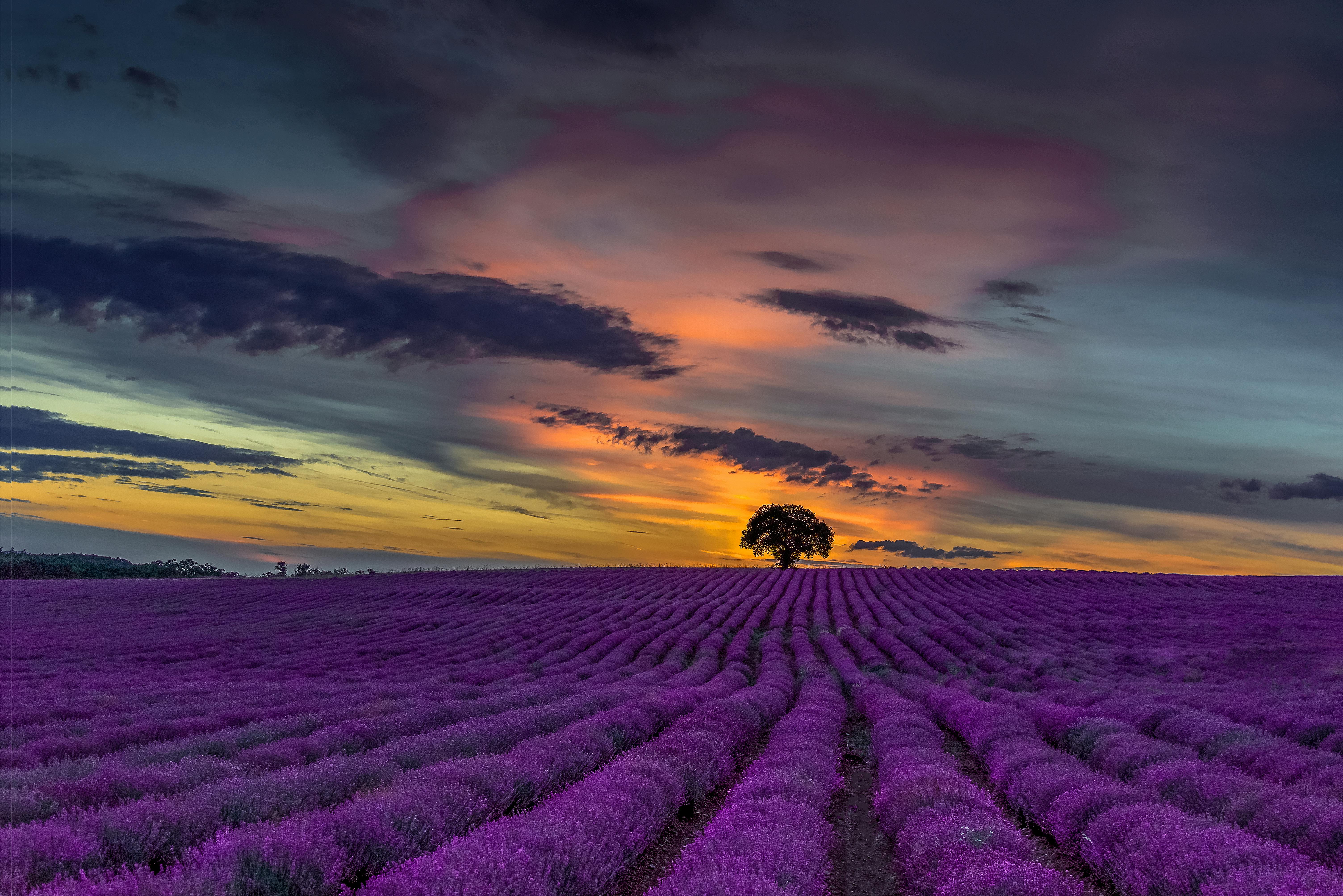
Harvesting lavender for distillation is an important step in the process of creating essential oils. Lavender needs to be harvested at the right time and in the right way in order to give the best quality oil. The ideal time for harvesting lavender is when it is in full bloom, usually in July or August.
When harvesting, it is important to avoid bruising or crushing the plant as this can have a negative effect on the quality of the oil. Lavender should be cut with sharp scissors or a pruner at the base of each stem and then placed into a basket or bin so that it can be transported back to where it will be distilled.
Lavender should then be washed before distilling it, to remove any dirt or debris that may have collected on it during harvesting. It should also be spread out onto a tray or drying rack so that any excess moisture can evaporate before distilling begins.
Once dried, lavender should be cut into smaller pieces which will help to release its essential oils more easily during distillation. The pieces do not need to be too small
Step 1: Gather the Supplies Needed for Distilling Lavender
The first step in the process of steam distilling lavender is to gather all the supplies needed to complete the task. This includes a large pot, a bowl, a source of heat such as a stove or hot plate, a lid to fit the pot, some ice cubes, and of course lavender. It is important that all of these items are washed and sanitized before beginning.Step 2: Prepare the Lavender for Distilling
Once all of the supplies have been gathered, it is time to prepare the lavender for distillation. This involves cutting or breaking up the lavender into small pieces. Doing this helps to increase surface area and will help with extracting more essential oils during distillation.Step 3: Place Lavender in Pot and Add Water
The next step is to place the prepared lavender into the large pot and add enough water so that it covers the plant material by an inch or two. The amount of water used will depend on howSafety Considerations of Steam Distilling Lavender
Steam distillation is a process used to extract essential oils from plants and other organic materials. Lavender is one of the most popular plants used in this process, as it has many therapeutic benefits and a pleasant aroma. However, it is important to take certain safety measures when steam distilling lavender, as there are several potential hazards associated with this process.The first consideration is the proper handling of the plant material. It is best to wear protective gloves and clothing when handling lavender, as the oils can irritate skin and cause allergic reactions in some people. Additionally, it is important to ensure that all equipment used in the steam distillation process is clean and free of any contaminants. This will help to avoid any potential contamination of the oil during the extraction process.
It is also important to be aware of the boiling point of lavender oil when steam distilling it. The boiling point needs to be carefully monitored during the extraction process, as exceeding this temperature can cause dangerous vapors to be released into the air. Proper ventilation should always be used while steam distilling lavender oil,
What to Do With the Essential Oil and Hydrosol Produced From Distillation
Distillation is a process used to extract essential oils and hydrosols from plants. The essential oil is the concentrated, volatile oil extracted from the plant, while the hydrosol is the water-based by-product of distillation. Both of these products have a variety of uses in aromatherapy, cosmetics, and health care.Essential oils are used in aromatherapy for their therapeutic and medicinal properties. The oils can be used in massage therapy or diffusers to help reduce stress, promote relaxation, and improve mood. They are also often blended with other oils to create custom scents or natural fragrances. In addition, many essential oils have antiseptic properties that can help reduce inflammation and fight bacteria.
Hydrosols are often used as a natural skin treatment or toner due to their antibacterial properties. They can help soothe skin irritation or sunburns and can also be used as a facial mist for refreshing and hydrating the skin. Hydrosols can also be added to lotions or creams to provide additional moisturizing